Introduction to Waterproof Running Shoes
For runners who tackle unpredictable weather or muddy trails, waterproof running shoes are a game-changer. Designed to keep feet dry and protected, these shoes combine advanced materials with breathable technology to ensure comfort in wet conditions. Whether you’re sprinting through puddles, hiking through rain-soaked paths, or training in winter, running shoes offer the reliability needed to stay active year-round. This guide will walk you through the key features, types, and top brands of running shoes, helping you find the perfect pair for your needs. By the end, you’ll understand how to choose waterproof running shoes that balance performance, protection, and style.
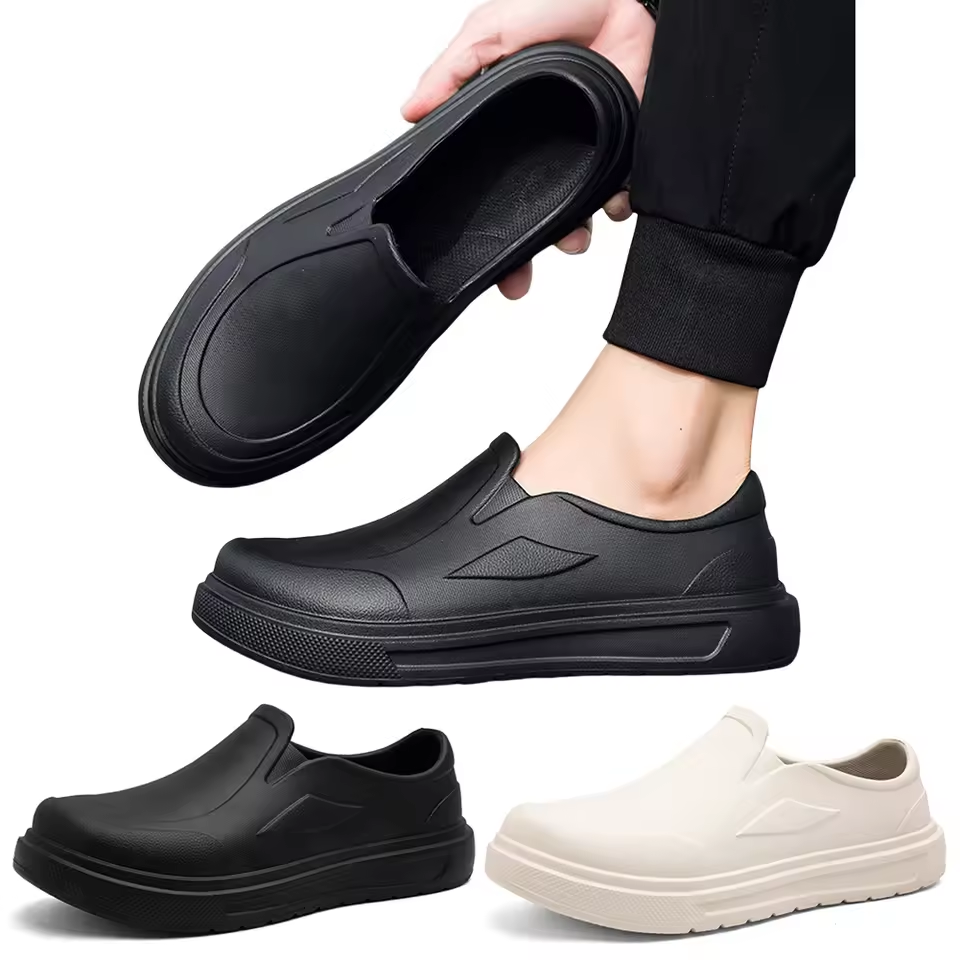
Why Waterproof Running Shoes Matter
- Protection from Wet Conditions: Waterproof shoes prevent water from seeping into the interior, keeping feet dry and reducing blisters.
- Enhanced Traction: Many running shoes feature deep lugs or Vibram soles for grip on wet or muddy terrain.
- Comfort in Cold Weather: Moisture-wicking linings and insulated designs keep feet warm during winter runs.
- Durability: Waterproof membranes like Gore-Tex or eVent resist wear from water, dirt, and harsh elements.
- Versatility: Ideal for trail running, road running in rainy climates, or daily commutes in wet conditions.
By investing in waterproof running shoes, you ensure your runs remain comfortable and safe regardless of the weather.
Types of Waterproof Running Shoes
- Full Waterproof Running Shoes:
- Use sealed membranes (e.g., Gore-Tex) to block all water intrusion.
- Best for heavy rain or swampy trails.
- Water-Resistant Running Shoes:
- Repel light rain or splashes but may allow moisture through over time.
- Suitable for occasional wet conditions.
- Breathable Waterproof Running Shoes:
- Balance waterproofing with ventilation to prevent overheating.
- Ideal for long-distance or high-intensity runs.
- Insulated Waterproof Running Shoes:
- Include thermal layers for cold-weather protection.
- Perfect for winter trail running or snow-covered paths.
- Ultra Lightweight Waterproof Running Shoes:
- Prioritize minimal weight while maintaining water resistance.
- Great for speed-focused trail runners.
Each type addresses different needs, so choose based on your typical running environment.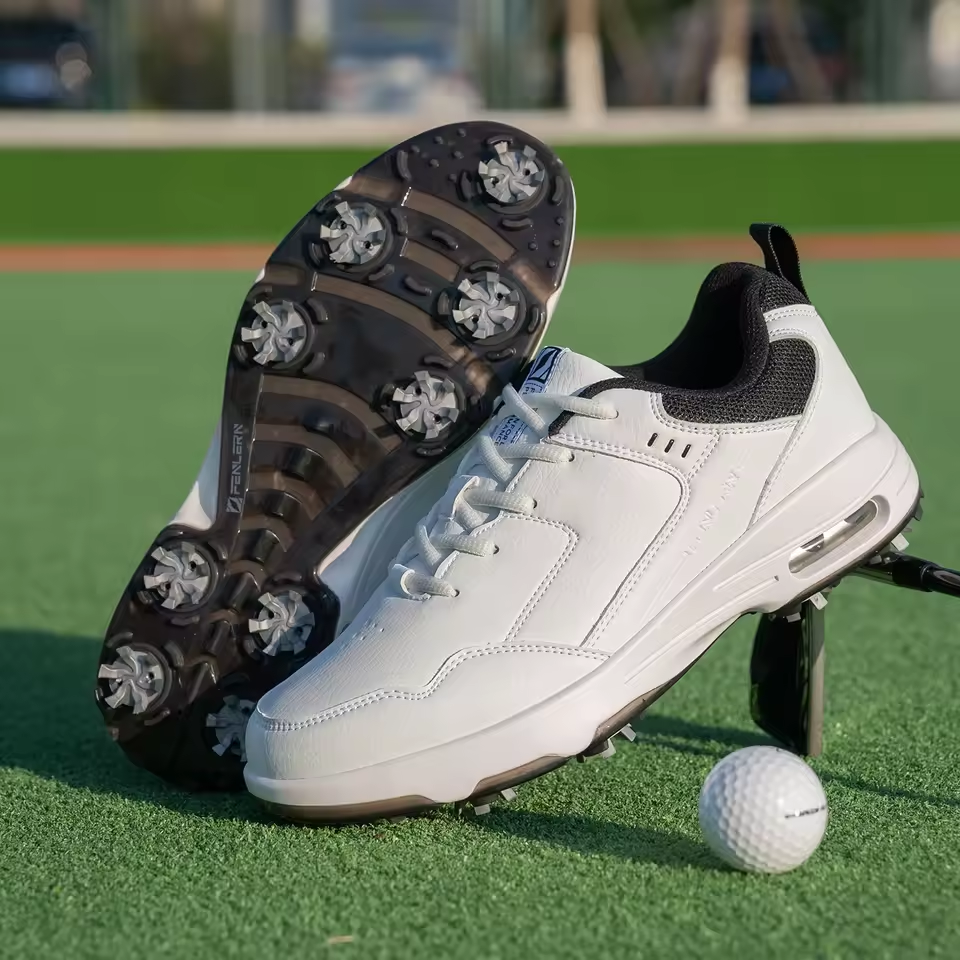
Key Features to Look for in Waterproof Running Shoes
- Waterproof Membrane:
- Gore-Tex or eVent membranes are industry standards for full waterproofing.
- Check for sealed seams to prevent leaks.
- Traction:
- Deep lugs or sticky rubber soles enhance grip on wet or muddy surfaces.
- Look for models with Vibram outsoles for durability.
- Breathability:
- Perforated uppers or breathable membranes prevent overheating without sacrificing protection.
- Avoid overly sealed designs for hot-weather runs.
- Fit and Support:
- Ensure a snug fit with enough toe room to prevent friction in wet conditions.
- Midfoot support is crucial for stability on uneven terrain.
- Weight:
- Lighter shoes reduce fatigue during long runs, but heavier models offer more protection.
Prioritizing these features ensures your running shoes perform optimally in all conditions.
How to Choose the Best Waterproof Running Shoes
- Assess Your Needs:
- Trail Runners: Opt for waterproof trail running shoes with aggressive treads.
- Road Runners: Choose lighter, breathable models for city or wet pavement.
- Winter Runners: Insulated running shoes are essential for cold, snowy conditions.
- Check the Fit:
- Try shoes in person or use online size guides to avoid blisters or slippage.
- Consider wide sizes if you have broader feet.
- Test for Comfort:
- Break in new shoes with short runs to avoid discomfort during long-distance training.
- Look for padded collars and cushioned midsoles for added comfort.
- Compare Prices:
- High-end models like Salomon X Ultra 4 or Merrell Moab 4 offer premium features but come at a higher cost.
- Budget-friendly options like Nike Air Zoom Terra Gorge 7 provide decent performance at a lower price.
By aligning these factors with your goals, you’ll find running shoes that meet your needs.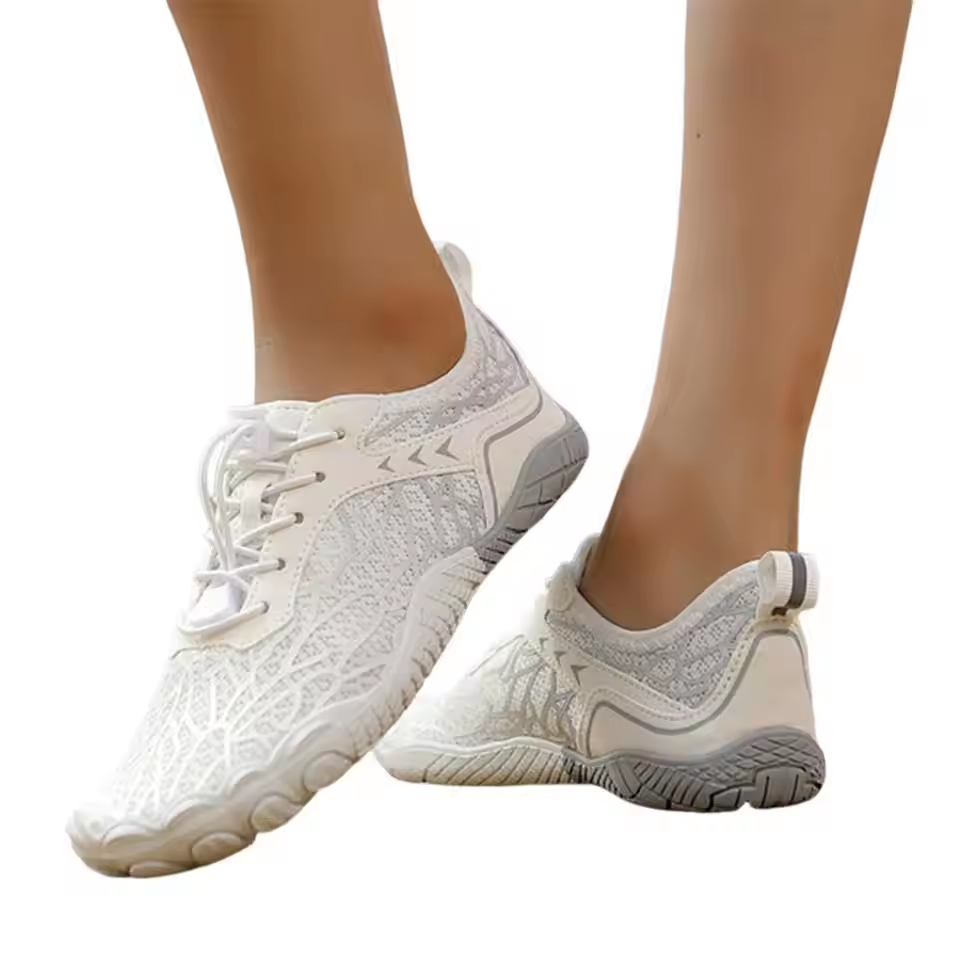
Top Brands for Waterproof Shoes
- Salomon: Known for waterproof trail running shoes like the X Ultra 4, combining grip and breathability.
- Merrell: Offers the Moab 4 with Vibram soles and Gore-Tex waterproofing for rugged trails.
- Nike: The Air Zoom Terra Gorge 7 provides lightweight running shoes for versatile use.
- Inov-8: Focuses on ultra-light running shoes for speed and agility in wet conditions.
- Adidas: The Terrex Free Hiker GORE-TEX blends cushioning and waterproofing for all-weather runs.
These brands deliver trusted options across different budgets and use cases.
Common Mistakes to Avoid When Buying Waterproof Running Shoes
- Ignoring Breathability: Overly sealed shoes can cause sweating and discomfort in warm weather.
- Choosing the Wrong Tread: Light treads work for roads, but deep lugs are necessary for trails.
- Skipping Break-In Time: New waterproof shoes need time to mold to your feet. Avoid marathon runs with unbroken-in pairs.
- Neglecting Weight: Heavier shoes can slow you down; prioritize lightweight models for speed-focused training.
- Overlooking Ankle Support: Trail runners should opt for high-top designs to prevent sprains on uneven surfaces.
Avoiding these pitfalls ensures your waterproof running shoes deliver consistent performance.
How to Care for Running Shoes
Proper maintenance extends the lifespan of your running shoes:
- Clean After Each Use: Wipe off mud and debris with a damp cloth. For deep cleaning, use mild detergent and air dry.
- Reapply DWR Coating: Durable Water Repellent (DWR) coatings fade over time. Reapply with a waterproofing spray like Nikwax.
- Dry Thoroughly: Avoid direct heat—air dry in a well-ventilated area to prevent mold.
- Store Properly: Keep shoes in a cool, dry place to maintain waterproof integrity.
- Replace Worn-Out Soles: Deep lugs wear down over time, reducing traction on wet surfaces.
Regular care ensures your running shoes remain effective for longer.
Waterproof Running Shoes vs. Regular Running Shoes
| Feature |
Waterproof Running Shoes |
Regular Running Shoes |
|---|
| Water Protection |
Full or partial waterproofing |
No water resistance |
| Breathability |
Varies (breathable membranes available) |
Highly breathable for dry conditions |
| Weight |
Slightly heavier due to waterproof layers |
Lightweight for speed and agility |
| Traction |
Deep lugs for wet/muddy terrain |
Smooth or moderate treads for roads |
| Best For |
Trails, rainy weather, winter runs |
Dry roads, gym sessions, casual jogging |
While regular shoes excel in dry conditions, waterproof running shoes are indispensable for adverse weather.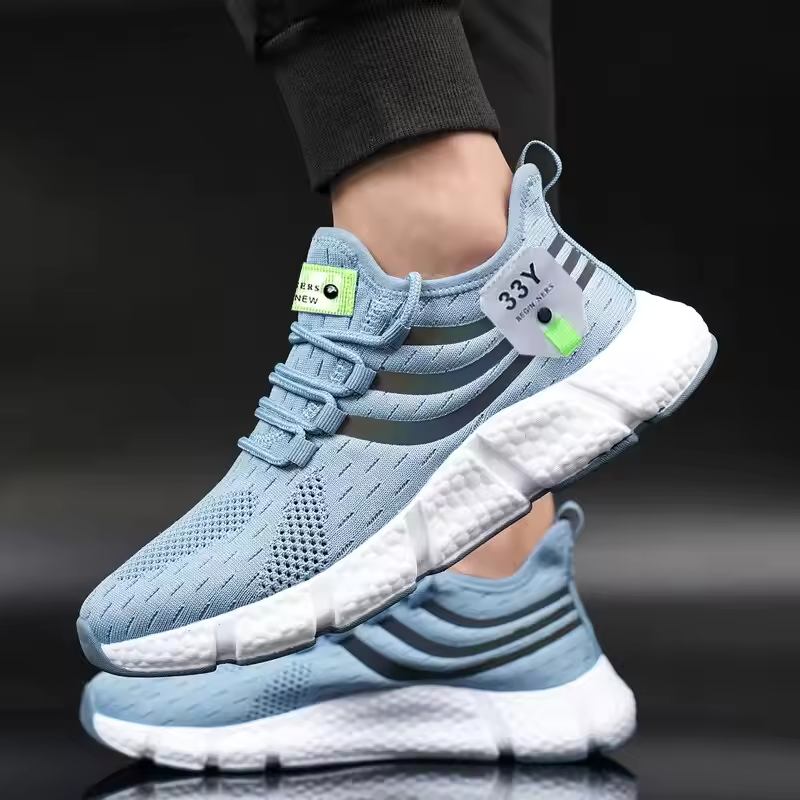
The Role of Waterproof Running Shoes in Trail Running
For trail runners, waterproof running shoes are essential:
- Mud and Water Resistance: Sealed membranes prevent clogging and keep feet dry.
- Ankle Stability: High-top designs protect against twists on rocky or slippery trails.
- Durability: Reinforced uppers withstand abrasion from roots, rocks, or branches.
- Cold Weather Performance: Insulated linings retain heat in freezing conditions.
- Quick Drying: Advanced materials like eVent dry faster than traditional Gore-Tex.
An ultra running shoes review would highlight how waterproofing enhances long-distance trail performance.
How to Test Waterproof Shoes Before Buying
Before purchasing, test waterproof shoes to ensure they meet your needs:
- Spray Test: Mist the shoes with water to check if droplets bead up.
- Walk in Puddles: Simulate real-world conditions by testing in wet environments.
- Check for Flexibility: Ensure the shoes bend naturally for comfort on uneven terrain.
- Test Traction: Assess grip on wet surfaces like grass, mud, or pavement.
- Evaluate Fit: Run short distances to verify comfort and support.
Testing helps avoid mismatches between your needs and the shoe’s capabilities.
- Wide Feet: Brands like Salomon and Inov-8 offer waterproof running shoes for wide feet with roomier toe boxes.
- Narrow Feet: Look for models with snug fits to prevent slipping on wet trails.
- High Arches: Choose shoes with built-in arch support to prevent strain in wet conditions.
- Flat Feet: Opt for models with motion control features to stabilize overpronation.
- Sensitive Skin: Hypoallergenic linings reduce irritation from moisture.
Understanding your foot type ensures waterproof shoes provide optimal comfort.
Waterproof Running Shoes for Specific Environments
- Heavy Rain: Full waterproofing with sealed seams is essential.
- Muddy Trails: Deep lugs and reinforced uppers prevent clogging and damage.
- Snow and Ice: Insulated linings and ice-grip soles provide traction in winter.
- Urban Puddles: Lighter running shoes with quick-dry materials are ideal.
- Mixed Conditions: Models with hybrid treads handle both wet and dry terrain.
Choosing the right pair ensures adaptability to your running environment.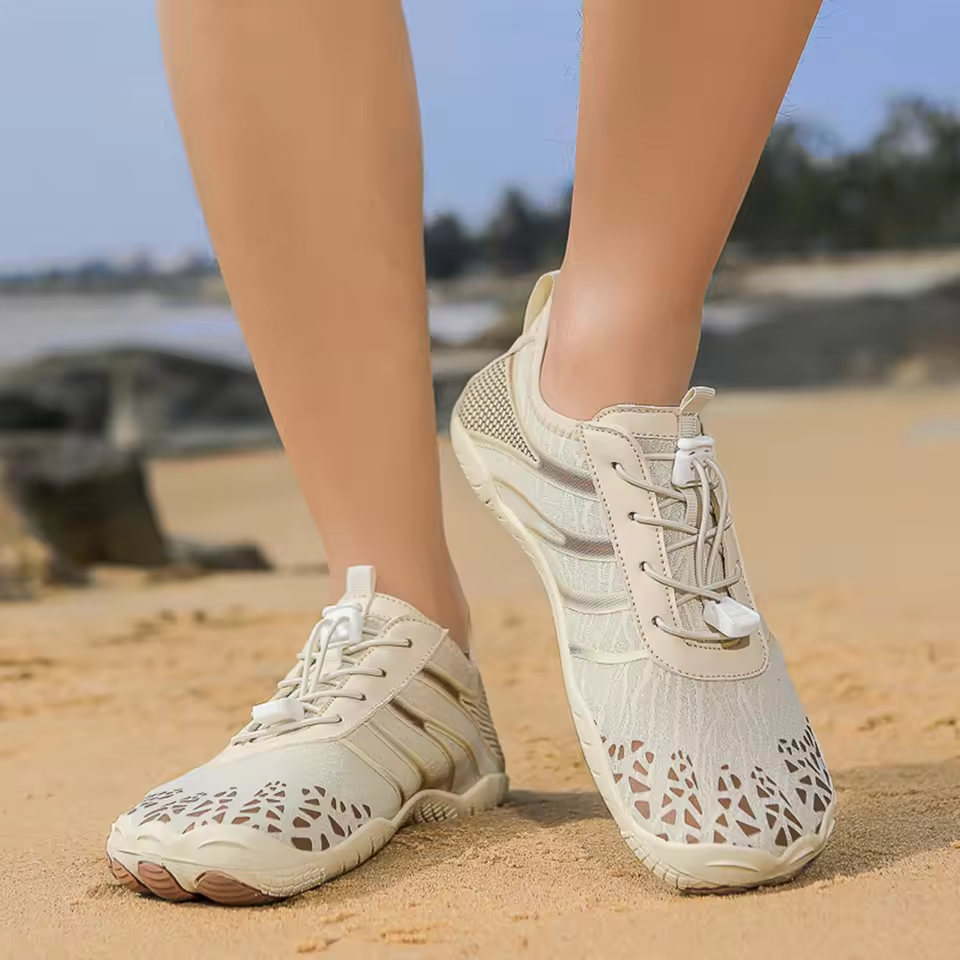
How Waterproof Shoes Improve Performance
- Reduced Blister Risk: Dry feet minimize friction and skin irritation.
- Enhanced Confidence: Knowing your shoes are waterproof allows you to focus on form and pace.
- Year-Round Training: Stay active in all seasons without worrying about weather disruptions.
- Faster Recovery: Dry, breathable shoes reduce post-run discomfort and soreness.
- Consistent Performance: Waterproofing maintains shoe structure, ensuring reliable support.
By prioritizing waterproof shoes, you maintain consistency in your training.
Conclusion: Stay Dry and Protected with Running Shoes
Waterproof running shoes are more than a luxury—they’re a necessity for runners who face wet or harsh conditions. Whether you’re navigating rainy trails, muddy paths, or icy roads, the running shoes keep your feet dry, comfortable, and protected. By selecting the right model, testing for fit, and maintaining them properly, you’ll unlock their full potential. Invest in running shoes today and conquer every run, no matter the weather!
